
Zhan Ying: The Low-Ranked Go Pro Who Redefined What It Means to Win
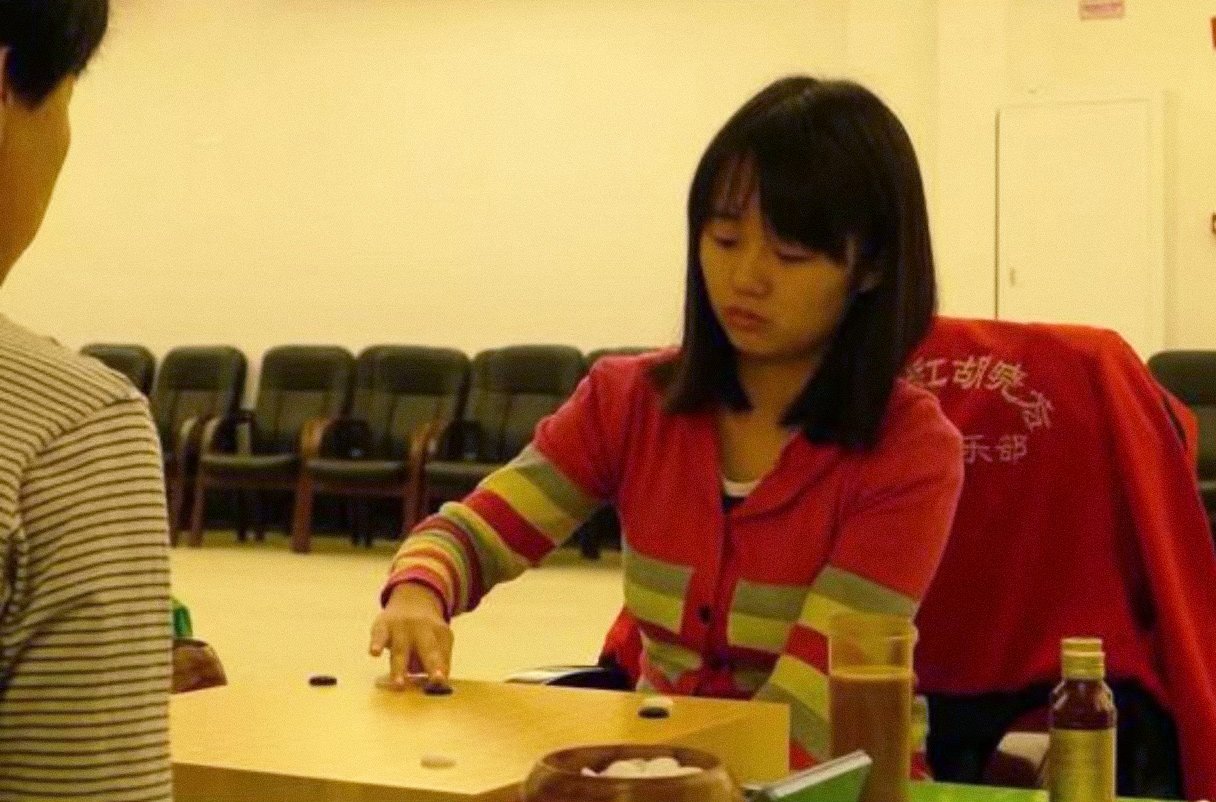
In the world of Chinese professional Go, where careers are often defined by teenage triumphs and early championship titles, Zhan Ying never fit the expected mold. She entered the professional circuit in 2014, later reached 2-dan in 2019, and spent years on the margins of the sport. Her record—most infamously, a 2–16 season in the Chinese Women’s League A—made her name a favorite target on Go forums. Yet, almost paradoxically, these very setbacks would later propel her onto one of the largest stages the Go community had ever seen: livestreaming.
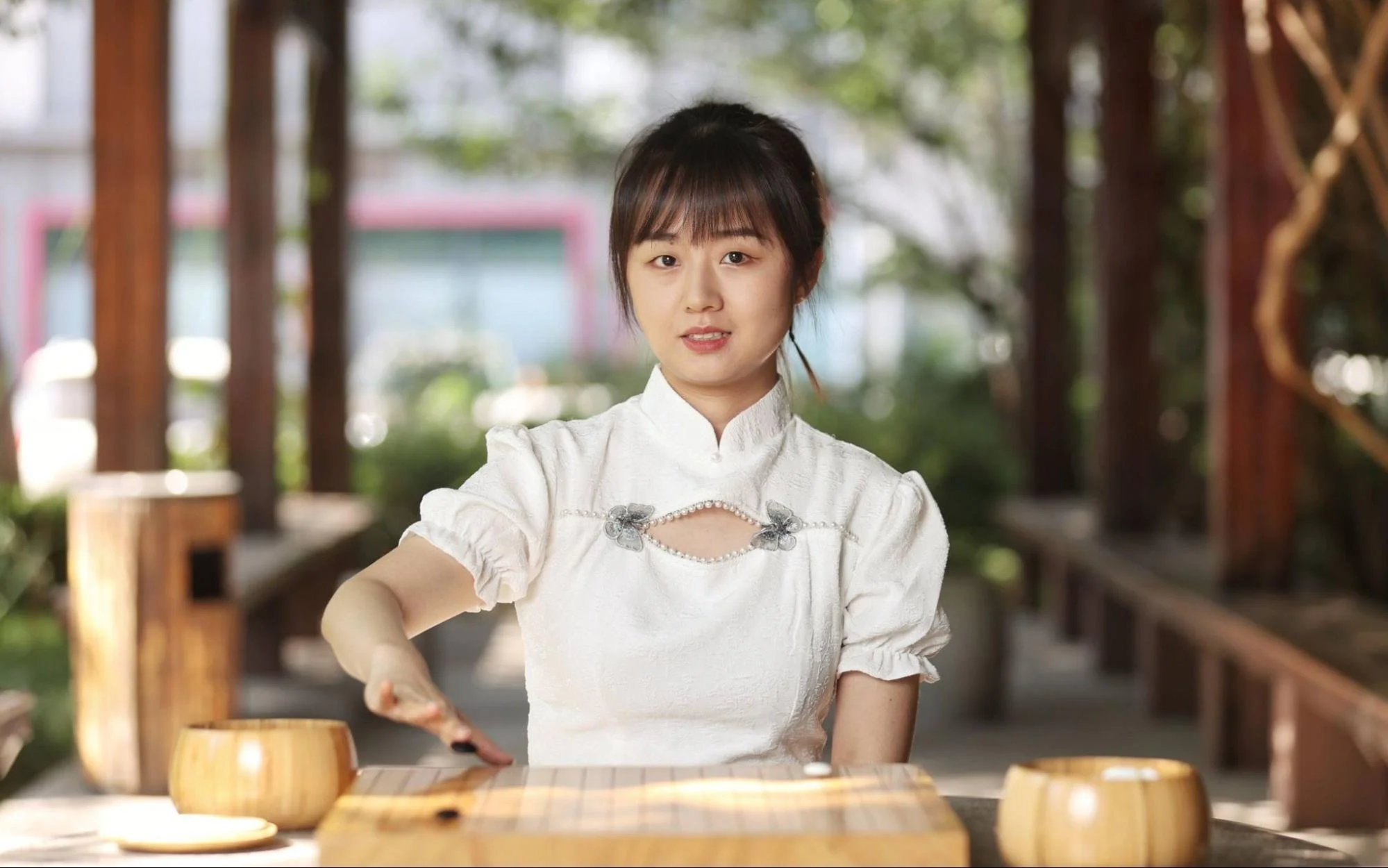
Today, Zhan Ying is widely recognized as one of China’s most influential Go streamers, a creator with over 1 million new followers gained almost overnight after a moment of vulnerability captured the internet’s attention. Her story offers a rare, unvarnished look at what it means to chase excellence in a brutally competitive discipline—and what it means to find one’s place there, even without the trophies.
A Childhood Shaped by the Game
Born in 1995 in Baoding, Hebei province, Zhan grew up in a home where discipline and resilience were treated as necessities, not luxuries. Her father, an air force pilot, chose her name—Ying, meaning eagle—to embody strength and grit. At age six, she began learning Go. By eight, she was one of Hebei’s strongest young players, and by twelve, she relocated to Beijing to join a professional Go training center.
The daochang (Go training academies) of mid-2000s Beijing were notorious for their intensity: days filled with multiple full-length matches, evening game reviews, and constant ranking battles among scores of young aspirants. Zhan quickly realized she was no longer the “prodigy” she had been back home; she was one student among hundreds, all chasing two coveted professional qualification spots.
She failed seven times—but persisted. In 2014, on her eighth try, she finally earned her place in the professional ranks.
The Harsh Reality of Professional Go
Becoming a pro was only the first mountain. Zhan soon found a harsher, more unforgiving landscape: the demands of competitive Go in an era transformed by artificial intelligence.
When AlphaGo defeated Lee Sedol in 2016, the strategic ground beneath every player shifted. Centuries-old joseki lost validity overnight, and players trained in traditional patterns struggled to adapt.
Zhan belonged to that “in-between” generation—too young to have finished her career before AI, too old to have been trained with it. She once described it this way:
“Unless I wipe my memory, the shadows of traditional training will always influence me.”
Her results reflected the difficulty. Younger players trained in AI-driven strategy surged ahead, and Zhan found herself losing more often—and to opponents significantly younger.
Yet she stayed. She studied. She tried again. And again.
A Breaking Point That Became a Beginning
By 2022, her confidence and income were both depleted. She had lost her commentary work. Her professional record had become an online meme. She feared she could no longer afford to live in Beijing.
Her only goal was small: grow her livestream to 50,000 followers before quietly leaving the pro scene.
And then came the moment that changed everything.
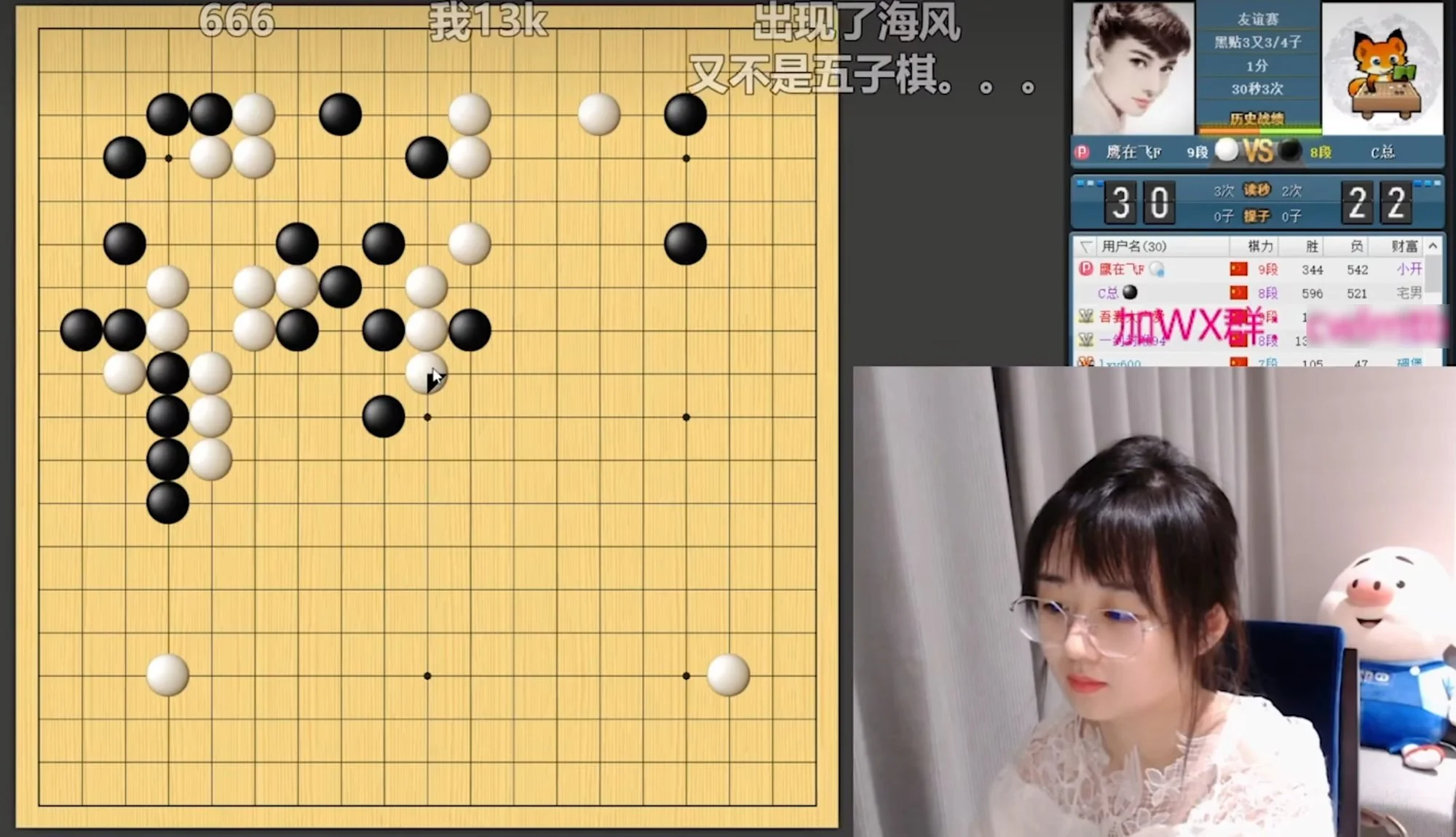
During a stream on October 26, 2022, Zhan accepted a challenge from viewers to read aloud trolling comments written about her. As she scrolled through the insults—many mocking her 2–16 season—she abruptly broke down crying and ended the stream.
The clip spread instantly beyond the Go world.
To millions of young people who felt similarly stuck, Zhan’s honesty was not a failure—it was a mirror.
Over the next weeks, more than one million new viewers flooded into her channel.
Livestreaming as a New Kind of Go Storytelling
Once the initial shock faded, Zhan did what Go had trained her to do: she adapted.
She rented a studio, built a consistent streaming schedule, and reshaped her content to reflect both Go culture and her lived experience.
Today her livestreams include:
analysis of recent professional games
stories from the inner world of Go daochang
interviews with players (such as Lian Xiao, Chen Yunong)
humorous content, including cosplay and Go-themed challenges
commentary featured in media interviews (CGTN, Sixth Tone)
participation in public Go events and promotional campaigns
And all of this she framed around one simple idea:
“I’m not a genius or a champion. I’m just an ordinary person showing what a Go player’s life looks like.”
This ordinariness became her strength.
A New Kind of Hero for China’s Youth
Zhan’s rise reveals something beyond the Go board: a generational story about acceptance, disappointment, perseverance, and humor.
Her fans identify with her not because she wins—but because she keeps going.
One viewer summed it up:
“I studied a niche major and struggled for months to find a job.
When I saw Zhan say there’s nothing wrong with being 2–16, I felt understood.”
Zhan has become, unexpectedly, a symbol for young people trying to navigate their own “qualification tournaments”—academic, professional, or emotional.
Beyond the Board
In Go, the concept of a “turnaround” refers to abandoning a losing position to rebuild elsewhere on the board. Success requires the courage to sacrifice and the vision to begin again.
Zhan’s life embodies this principle.
She may not have a championship title to her name, but she has built something far more rare: a connection with countless viewers who see their own fears and hopes reflected in her story.
She remains a professional Go player, a streamer, a storyteller—and above all, a reminder that the game does not end when a position collapses.
Sometimes, it begins there.