
Hongyun Chai and the Growth of Go in Poland
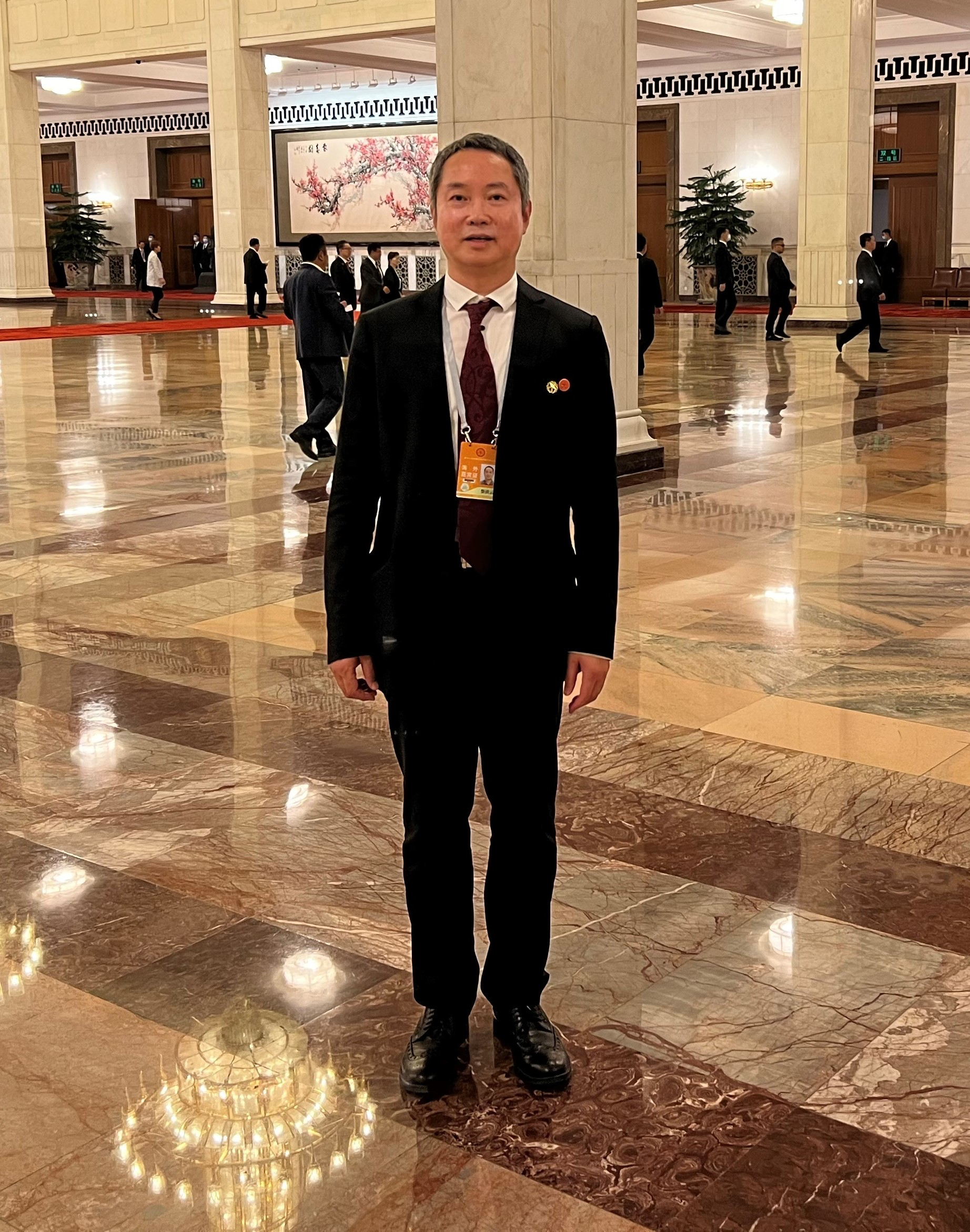
In recent years, Poland has become an increasingly visible location on the European Go calendar, hosting tournaments that attract professional players and top amateurs from across the continent. One person closely connected to this development is Hongyun Chai, a long-time cultural organizer and sponsor of Go activities in Warsaw.
A First Encounter with Go
Chai first learned about Go in 1985, when he was a student in China. That year, during the first China-Japan Weiqi Tournament, Chinese Go master Nie Weiping defeated several Japanese 9-dan professional players in succession. The achievement received widespread attention, and it was this moment that led Chai to become interested in Go and begin playing the game.
Supporting Go in Poland
After many years living in Poland, Chai became involved in promoting Go locally. He was impressed by the dedication of Tomasz Andrzejewski, president of the Polish Go Association, and appreciated his organizational skills. This motivated him to sponsor a series of Go tournaments in Warsaw.
Among these events is the “China Town” Weiqi Cup, which has grown significantly.
The 3rd edition, held in 2023, attracted strong European participation.
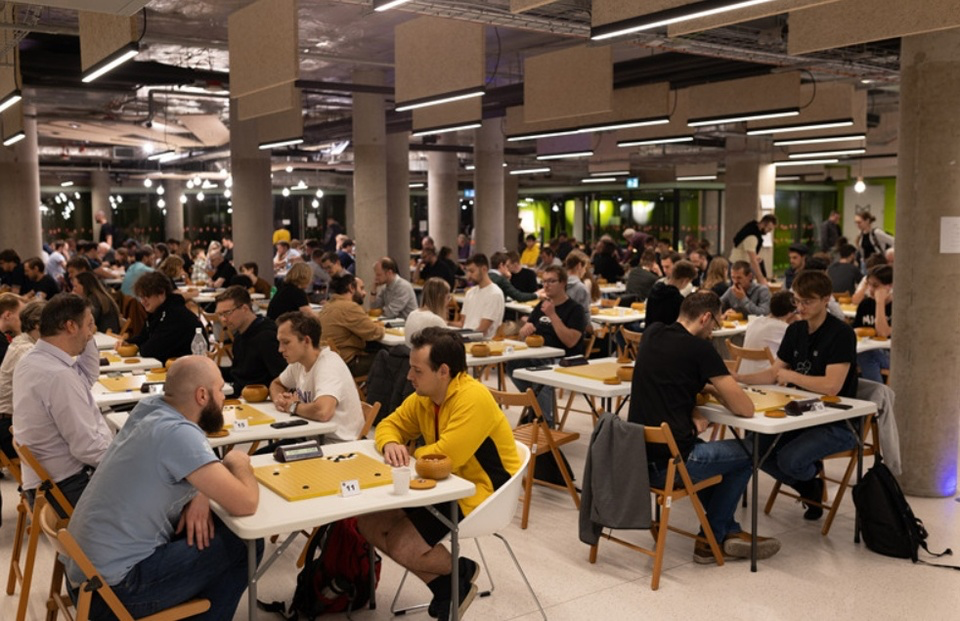
The 4th edition, held in October 2024, brought together 156 players, including six professional players and many top European amateurs.
The tournament has become one of the largest European weekend events, and it is now listed as part of the European Go Grand Slam circuit.
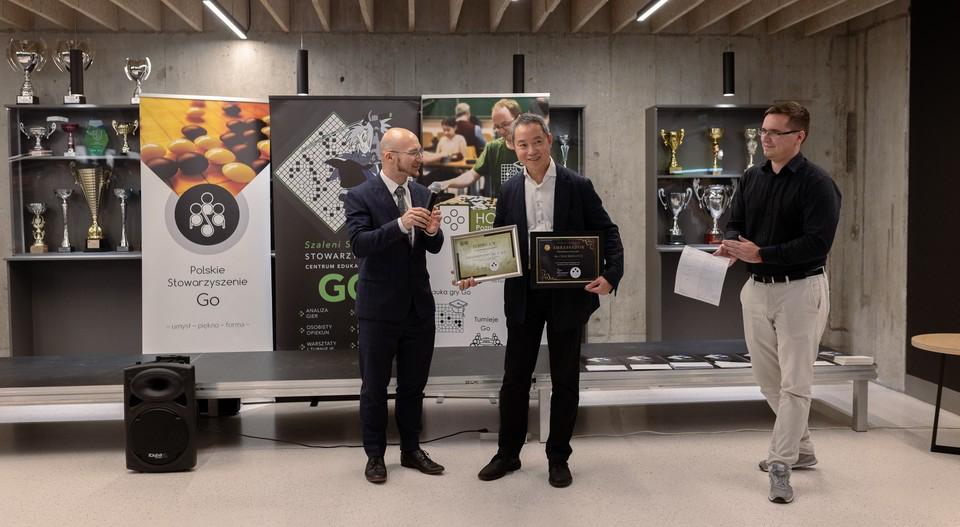
In 2023, the Polish Go Association recognized Chai’s support by awarding him the title of “Go Ambassador.”
Plans for the Future
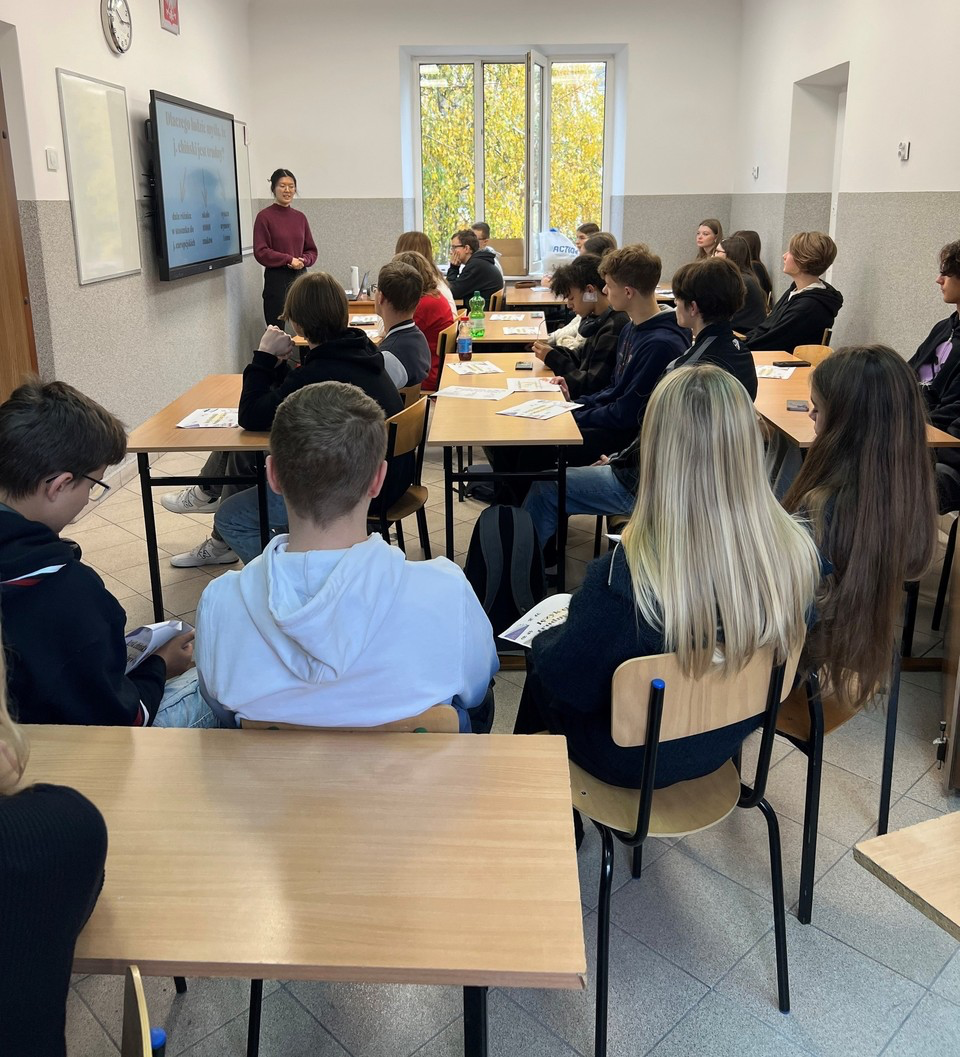
Chai has stated that he is discussing future cooperation with the Polish Go Association, including establishing a Go school in Poland. His hope is that more Polish children and students will come to know Go, learn the game, and become aware of its origins in China. He believes that some of them, after reaching a certain level, may become interested in going to China for further study, helping deepen cultural exchange.
He also expressed a wish for more sponsors to join in supporting Go, noting that European players face challenges, including low prize money and limited support from businesses and society. At the same time, he sees Go becoming increasingly popular in Europe, and supporting events such as the Weiqi Cup is one way he hopes to contribute.
Cultural Work Beyond Go
Although Go occupies an important part of his recent efforts, Chai has also been active in broader cultural exchange:
Since 2009, he has organized annual Chinese New Year galas in Poland, bringing together Chinese residents and local audiences.
He founded the Warsaw Chinese School in March 2009, registered with the Polish Ministry of Education.
The school has become one of the largest Chinese language education institutions in Poland.
He operates Chinese media platforms, including the Polish Chinese Information Network and the WeChat account “polandinfo.”
These initiatives form the wider context in which his Go activities have taken place.
Beyond the Board
Chai describes Go as a game with endless variations that strengthens problem-solving skills, awareness of the overall situation, and persistence. His involvement in supporting Go in Poland reflects these values — steady effort, long-term commitment, and belief in meaningful connection.
Through tournaments, sponsorship, community engagement, and future plans for Go education, he has contributed to making Go more visible in Poland and to fostering deeper understanding of the game’s cultural origins.
As Go continues to gain recognition across Europe, his work stands as an example of how one person’s interest, first sparked by a historic match decades ago, can grow into a bridge between countries, players, and traditions — reaching far beyond the board.